

In the fast-evolving world of SEO, backlinks have long been hailed as the ultimate ranking powerhouse. But with AI-driven search engines and tools like ChatGPT reshaping how content is discovered, many wonder: Are backlinks still relevant in 2026, or just an outdated tactic from the past? This blog dives deep into what backlinks really are, why they remain a vital part of modern SEO, Google’s latest stance, and proven strategies to build them authentically in today’s AI-influenced landscape.
What are backlinks?
Backlinks are links from one website to another. They act as “votes of confidence” that convey authority and credibility to search engines such as Google which can significantly boost the SEO and ranking of your site by ensuring that high-quality relevant, and trustworthy links from reputable sources are the most effective, and low-quality links could harm a website’s reputation. They are essential for establishing trust, increasing visibility, and driving targeted traffic, while providing users with valuable information on your site. They function similarly to citations used in academic research.
Are backlinks essential in 2026?
Yes, Backlinks remain a cornerstone of effective SEO in 2026, but the landscape has evolved significantly from the early days of link-building. Today, search engines like Google prioritize quality, relevance, and authenticity over sheer volume. Here’s a detailed elaboration on why and how backlinks matter in this new era of SEO:
Quality Over Quantity
The days when you could fill your website with a plethora of low-quality directories or forums could improve rankings. In 2026, just one link that comes from a highly reputable domain (e.g., a .edu website, a reputable trade publication, or a reputable news source) has more credibility than hundreds of low-quality or irrelevant hyperlinks. Search engines see these top-quality backlinks as proof of trust, which indicates the content you provide is trustworthy as well as accurate and worthy of being referred to.
Contextual Relevance & Topical Authority
Modern SEO emphasizes semantic relevance. Backlinks embedded within content that discusses an issue that is closely related, using natural anchor text, and placed in a well-studied article, provide stronger ranking signals than a general link within a sidebar or an unrelated blog comment.
For instance, a hyperlink from a medical journal to a blog about the subject of clinical nutrition is more powerful than a link on the site of a car dealership, even if both are similar in Domain Authority scores. Google’s knowledge of topic clusters, entity relations, and knowledge graphs allows it to determine the context-specific fit with astonishing clarity.
E-E-A-T as a Core Evaluation Criterion
Google’s emphasis on Experience, Expertise, Authoritativeness, and trustworthiness (E-E-A-T)–expanded in recent times to explicitly include “Experience”– shapes the way that backlinks are rated.
Links from sites that show strong E-E-A-T strengthen the credibility of your site. On the other hand, links from untested or spammy websites can affect your ranking. This is particularly true in the YMYL (Your Money or Your Life) issues, such as finance, health, and legal, in which trust is a must.
Natural, Editorial Link Acquisition
Search engines today favor earned links that are derived organically from your content, which is actually valuable, unique, or even newsworthy. Techniques like the creation of detailed guides, data-driven research, and interactive tools, or visually appealing assets draw editors’ citations from journalists, bloggers, and industry experts.
Contrary to this, paying links, exchanges of links, and automated links aren’t just in violation of Google’s Webmaster Guidelines but are increasingly identified by the use of artificial intelligence-based pattern detection. Websites that use these practices are at risk of being penalized or deindexed.
Backlinks as Trust & Authority Signals
They assist search engines in constructing the trust graph of websites. A site that is frequently referenced by trusted sources is considered more trustworthy. In 2026, this trust will be enhanced by engagement indicators, including branding mentions (even without hyperlinks) and reputation indicators across platforms.
Furthermore, high-quality backlinks typically have referral traffic which may increase dwell times, lower bounce rates, and even generate social shares. These are all indirect signals that boost SEO performance.
What is Google's Current Stance on Link Building?
Google is actively tightening its defenses against manipulative link schemes. It has made it crystal clear: illegitimate links can trigger penalties or algorithmic filtering. The low-quality, scalable link-building tactics that ruled the 2010s? They’re mostly dead now. Pay-per-click backlinks and mass outreach campaigns no longer deliver results.
Instead, Google rewards original ideas and real-world events that earn high-quality, prestigious media coverage. That’s where the real value lies.
And here’s the game changer for 2026: AI systems like ChatGPT and Perplexity are reshaping how information is discovered. While they’re not yet as sophisticated as Google at evaluating link quality or detecting fake hyperlinks, they are becoming critical discovery channels. These AI platforms rely on RAG (Retrieval-Augmented Generation) to pull data from the web, which means your company’s name must appear alongside relevant topics and trusted sources to be surfaced by them.
So in 2026, forget chasing vanity link metrics. Focus instead on earning genuine articles and co-citations from authoritative outlets. Build newsworthy content that naturally attracts attention — because that’s what fuels visibility across both search engines and AI indexes. And remember: AI-powered platforms often have weaker anti-spam filters than Google, making authentic, context-rich mentions even more powerful.
Winning in 2026 means playing the long game: create value, earn trust, and let authority find you — not the other way around.
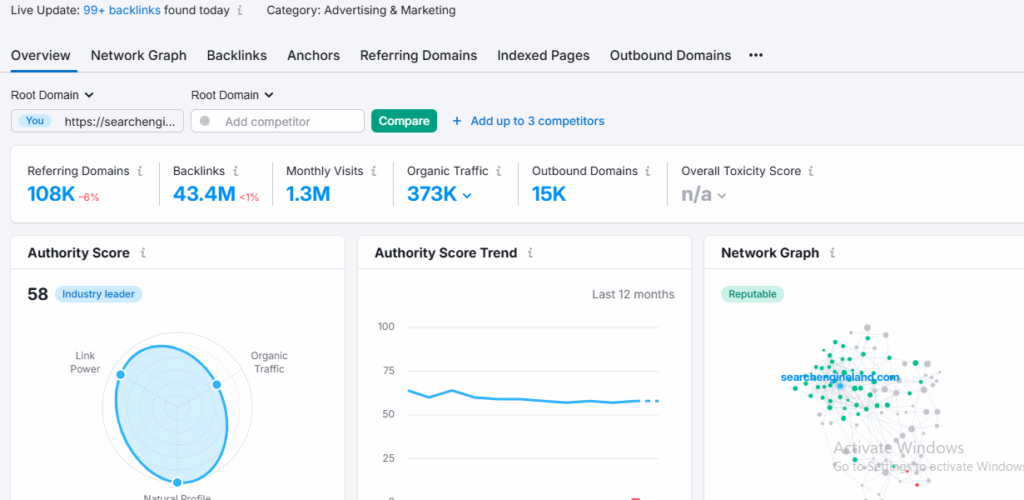
Strategy of Link Building in 2026
The environment by 2026 will be vastly different from the manipulative approach to a more holistic, relationship-building, and value-driven methodology. Here’s an in-depth and detailed description of the link-building process by 2026, relative to the current algorithmic requirements
Make Truly Link-Worthy Assets
How it works: Algorithms will favor content that users actually reference, share, and cite.
Examples:
- Original research publications feature unique datasets and graphics.
- Complex guides or tools with practical solutions for real users (e.g., calculators, diagnostic tools).
- The “Ultimate” resources for gathering and integrating fragmented information.
Strategic Digital PR (Beyond Basic Outreach)
Shift 6: Move from generic outreach to story-driven pitches.
To close, a
- Partner with data journalists with exclusive insights or industry trends.
- Time is pitched with a focus on relevant news cycles or annual events (“2026 Remote Work Trends Report” released in Q1).
- HARO should be used judiciously; instead, focus on developing contacts with specialty reporters.
Prioritize User Submissions
Key change: The platforms have become stricter with editorial quality. Poor-quality guest posts are disqualified or even penalized.
- Target audience relevance rather than domain rank.
- Provide exclusive insights and frameworks, and not aggregated blog posts.
- Network long-term contributor relationships instead of point-to-point connectivity.
Broken Link Building 2.0
New spin: It’s more than just replacing a link. It’s giving someone a superior resource.
- Tools such as Ahrefs or Screaming Frog can identify broken links within your specific niche.
- Create customized emails: “I noticed your link to [broken resource]—I recently published a 2026 updated guide and interactive tools that should work even better for your site.”
- Target resource pages, not just blog posts (e.g., university library guides, industry directories).
Collaborative Content & Co-Mark
Why it’s rising: Shared audiences = shared credibility +natural links.
- Hold joint webinars or Twitter/X Spaces with other complementary brands.
- Publish joint research papers or sector benchmarks.
- Make roundups using quotes from experts that give them a built-in reason to share the content.
E-E-A-T as Link Magnet
As Google’s emphasis on E-E-A-T means:
- Display biographies for authors with credible credentials.
- It would be best to cite primary sources here. There ought to be plenty of links to other sites (although Update information constantly—pages that are old do not have link equity)
Tracking and Nurturing Link Equity
Use search tools such as Google Search Console and Ahrefs to:
- Unlink brand mentions (do this by making them links through polite contacting).
- Actively disavow any toxic or irrelevant backlinks.
- Track “link decay” and update or redirect pages when links expire.
Conclusion
Backlinks are far from outdated—they’ve simply evolved into a smarter, more authentic game. In 2026, success in SEO isn’t about chasing links; it’s about creating genuine value that earns trust from both search engines and AI platforms. By focusing on quality, relevance, and relationship-building, you’ll not only boost your rankings but also future-proof your site’s visibility. Start building link-worthy content today, play the long game, and watch your authority grow naturally!