


December 2025 marked the end of the year with significant events occurring in the world of SEO, a mixture of community matters, updates to platforms, and a significant change to Google’s search algorithms. From concerns about increased levels of misinformation within the AI-powered search engine optimization world to useful data analysis resources and a significant search update, this is a precis of the month’s events:
A Community Warning: Beware of AI Scammers in the SEO Space
As artificial intelligence is rapidly changing the face of digital marketing, disconcertingly, amidst its widespread acceptance, another trend has also been witnessed: the rise of AI-based Fear-Mongering, Scams, especially in the field of Search Engine Optimization.
The rise of AI platforms like ChatGPT, Gemini, and Claude reaching household name stature has also seen opportunistic individuals take advantage of the confusion, curiosity, and need for information that these new technologies generate. Most of these opportunists target marketers, businesspeople, and content creators who want to be at the forefront while still lacking enough technical know-how about what is being presented.
Rampant Misinformation
One glaring example of this misinformation is the widespread—and completely false—claim that you now need to “optimize for ChatGPT’s E-E-A-T” to rank well in AI-powered search results. Let’s be clear: ChatGPT does not have its own version of E-E-A-T (Experience, Expertise, Authoritativeness, Trustworthiness). E-E-A-T is a framework used by human Google quality raters to assess content quality in Google’s Search Quality Evaluator Guidelines. It influences how Google trains and refines its algorithms—but it is not a direct ranking factor, and certainly not something that applies to generative AI systems like ChatGPT.
Why This Matters
When misinformation spreads unchecked, it doesn’t just waste people’s time and money—it erodes trust in the entire digital marketing ecosystem. Honest professionals are often drowned out by loud, misleading voices, and businesses make decisions based on faulty premises, which can potentially harm their online visibility and brand reputation.
AI is a tool, not a magic wand—and real SEO expertise is rooted in evidence, transparency, and continuous learning, not hype.
YouTube Partner Match Program
The YouTube Partner Match Program represents a powerful new tool for advertisers—but it also underscores the ongoing tension between personalization and privacy in the digital age. As AI and data-driven marketing evolve, the industry must strive not just for effectiveness but for trustworthiness and accountability.

What’s New?
On December 1, YouTube officially rolled out its Partner Match Program, a significant shift in how advertisers can target audiences on the platform. This new feature allows advertisers to upload hashed third-party user data—such as email addresses, phone numbers, or other personally identifiable information (PII) that has been cryptographically hashed—to match against YouTube’s user base for ad targeting purposes.
In practice, this means a brand or agency can work with a third-party data provider (like a data broker or customer intelligence firm), obtain a list of potential customers, hash that data to protect raw PII, and then upload it to YouTube. YouTube then matches those hashed identifiers with logged-in user accounts to serve tailored ads.
Why It Matters: A Strategic Shift
Historically, YouTube’s targeting capabilities have leaned heavily on first-party data—information that brands collect directly from their own customers (e.g., through website sign-ups, app usage, or loyalty programs)—or on Google’s own behavioral and interest-based signals derived from user activity across its ecosystem.
The introduction of third-party data integration marks a notable expansion of YouTube’s ad targeting infrastructure. For advertisers, this opens new avenues to reach audiences they may not have direct relationships with yet—potentially improving campaign efficiency, expanding reach, and driving conversions, especially for prospecting campaigns.
What Should Brands and Creators Do?
- Advertisers: Evaluate whether the performance gains justify potential brand risk. Ensure your data partners are transparent and compliant with privacy laws.
- Viewers & Creators: Stay informed about how your data may be used. Consider reviewing your Google Ad Settings and privacy preferences.
- The Community: Advocate for ethical data practices. Support platforms and brands that prioritize user consent and data minimization.
New GSC Filters: Smoother Insights with Weekly & Monthly Views
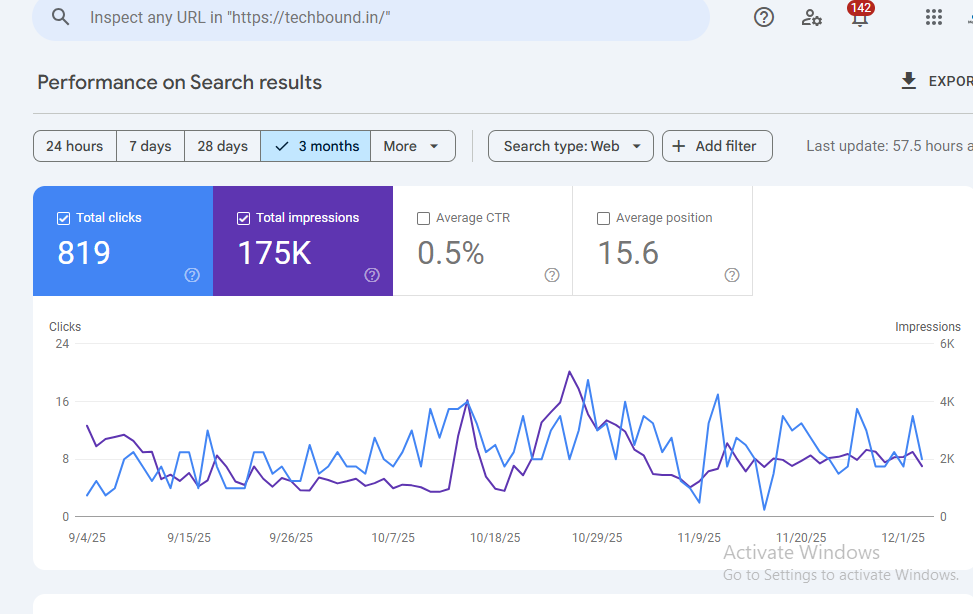
On December 9, Google rolled out a subtle but highly useful enhancement to Google Search Console (GSC): the addition of “Weekly” and “Monthly” time filters in the Performance Report. Previously, users could only view performance data in daily increments—even when analyzing trends over many months. Now, you can toggle between Daily, Weekly, and Monthly aggregation levels directly in the report interface.
Why This Matters
Search performance data—especially at the daily level—can be extremely volatile. Traffic spikes from a viral tweet, a temporary ranking fluctuation, or even a weekend dip can obscure the bigger picture. For SEOs, content marketers, and site owners trying to assess long-term strategy, these short-term fluctuations often add more confusion than clarity.
With the new Weekly and Monthly filters, you can now:
- Smooth out daily volatility to reveal underlying performance trends.
- Compare month-over-month or year-over-year performance more meaningfully.
- Identify seasonal patterns (e.g., holiday traffic surges or summer lulls) with greater accuracy.
- Report more effectively to stakeholders using cleaner, more digestible data visualizations.
For example, if you’re analyzing 16 months of data, the daily view would show over 480 data points—many of them erratic. Switching to a monthly view reduces that to just 16 points, making it far easier to spot whether your organic traffic is genuinely growing, plateauing, or declining over time.
Practical Use Cases
SEO Audits
After implementing site-wide optimizations (like migrating to HTTPS or improving Core Web Vitals), use the monthly view to evaluate impact over quarters—not days.
Content Strategy
Determine whether your evergreen content is gaining traction by reviewing monthly impressions and clicks over 6–12 months.
Client Reporting
Present clearer narratives to clients or executives without getting bogged down in day-to-day anomalies.
Algorithm Recovery Monitoring
If your site was hit by a core update, track recovery progress on a weekly or monthly cadence to avoid overreacting to temporary blips.
A Small Change with Big Impact
While this update doesn’t introduce a new metric or report, it significantly improves data interpretability—a critical step in making informed, strategic decisions. It reflects Google’s ongoing effort to make Search Console not just a diagnostic tool, but a strategic dashboard for sustainable organic growth.
December 2025 Core Update
Google’s December 2025 Core Update—one of the final major algorithm updates of the year—began rolling out on December 11 and concluded around December 29, spanning nearly three weeks of gradual implementation. Unlike targeted spam or product-specific updates, this was a broad core algorithm update, meaning Google refined how it assesses content quality, relevance, and user intent across its entire search index.
These updates don’t target specific “violations”; instead, they recalibrate how Google understands and ranks content in response to evolving user behaviors, content trends, and advancements in AI-driven understanding (such as Google’s Search Generative Experience and ranking systems like RankBrain and MUM).
Observed Impact: Big Sites, Big Swings
The most striking pattern from this update was its disproportionate effect on high-traffic websites:
- Large, established publishers and e-commerce platforms—especially those relying heavily on scaled content, affiliate pages, or templated product listings—experienced traffic fluctuations of ±20% to ±25%, sometimes overnight.
- Some sites saw sustained gains, often those with deeply researched, user-first content that clearly demonstrates E-E-A-T (Experience, Expertise, Authoritativeness, Trustworthiness).
- Others—particularly those using thin, AI-generated, or overly optimized content without genuine utility—saw sharp, sustained drops, even if they had ranked well for years.
In contrast, smaller websites, niche blogs, and local businesses generally reported minimal volatility. This suggests the update primarily targeted content at scale—where quality signals may be harder to discern algorithmically—and reinforced Google’s ongoing push toward authentic, human-centric content
Why the Disparity?
Google’s core updates often act as a “quality reset.” The December update appears to have placed greater emphasis on content depth, originality, and real-world value—factors that large-volume sites sometimes deprioritize in favor of quantity.
For example:
- Sites publishing generic product roundups with minimal unique insight may have lost ground to those offering hands-on testing, comparative analysis, or expert recommendations.
- News and media sites that repurpose press releases without added context may have been downranked in favor of outlets delivering investigative reporting or first-hand coverage.
Smaller sites, by virtue of their focused scope and often more personal or specialized content, were less likely to trigger negative quality signals—making them more resilient to the update’s shifts.
What Should Site Owners Do?
Don’t Panic Over Short-Term Fluctuations
Core updates roll out gradually, and rankings can continue to shift for days or even weeks after the official completion date. Monitor trends over time—not just 24–48 hours.
Audit for Quality, Not Just Keywords
Ask: Would a real human find this page genuinely helpful? If your content exists primarily to “rank for X keyword,” it may be at risk.
SEO Audits
After implementing site-wide optimizations (like migrating to HTTPS or improving Core Web Vitals), use the monthly view to evaluate impact over quarters—not days.
Leverage Google’s Guidance
Revisit Google’s Search Quality Rater Guidelines, especially sections on E-E-A-T and “Your Money or Your Life” (YMYL) topics.
Avoid Quick Fixes
There’s no “trick” to recover from a core update. Recovery comes from meaningful improvements: adding original insights, citing credible sources, showcasing author expertise, or removing low-value pages.
Track Beyond Traffic
Look at engagement metrics (time on page, bounce rate, conversions). Sometimes, a traffic drop accompanies a quality gain—e.g., losing low-intent clicks but retaining high-value users.
Core updates aren’t punishments—they’re alignments. They reflect Google’s evolving understanding of what searchers truly need. The sites that thrive are those that align their content not with algorithms, but with real human curiosity, problems, and intent.
Conclusion
December 2025 wrapped up a dynamic year for SEO with Google’s final core update, delivering notable volatility—especially for high-traffic sites—while introducing practical tools like expanded GSC time filters to better track long-term performance. Amid these technical advancements, the community was reminded to stay vigilant against AI-driven misinformation and scams flooding the industry. As we head into 2026, the key takeaway is clear: focus on sustainable, user-first strategies, leverage official tools for insights, and actively contribute to keeping the SEO space credible and scam-free.